-->
Welcome to Fresh Seafood Supply – Your Global Source for Premium Seafood

Common Mistakes In Importing Frozen Mackerel: Wholesale Guide

Importing frozen seafood from Norway is one of the most reliable ways for importers, distributors, supermarkets, restaurants, and foodservice businesses to secure a steady supply of premium seafood products. Norway is internationally recognized for strict seafood standards, advanced freezing technology, sustainable sourcing practices, and efficient export logistics.


From frozen Atlantic salmon and frozen king crab to frozen Atlantic mackerel and other premium seafood products, Norwegian seafood continues to support wholesale buyers across international markets with consistent quality and dependable supply.


If you plan to import frozen seafood from Norway, this guide explains the complete process—from choosing a reliable supplier and selecting product specifications to shipping, customs clearance, and final delivery.

Explore our Frozen Seafood Wholesale Products page to compare available seafood categories and export options.

Why Import Frozen Seafood from Norway?

Premium frozen shrimp wholesale supplied for seafood importers and distributors
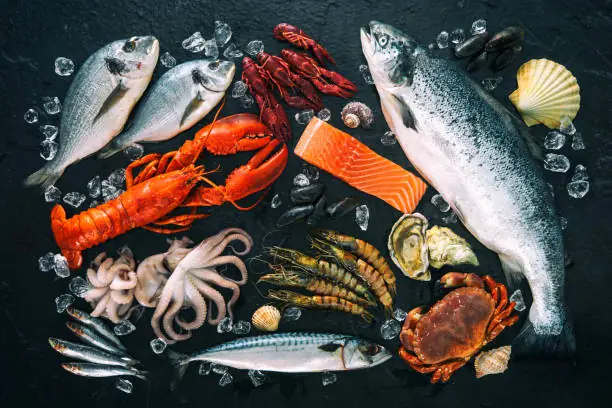
Premium Norwegian seafood selection including salmon, lobster, shellfish and frozen seafood for wholesale export

Norwegian seafood is widely trusted because of its product consistency, export readiness, and strong cold-chain systems.


Key advantages of importing frozen seafood from Norway include:


  • Premium export-quality seafood
  • Reliable year-round seafood supply
  • Professional cold-chain handling
  • International health and export documentation
  • Efficient sea freight and air freight logistics
  • Consistent grading and processing standards

Popular frozen seafood products imported from Norway include:


Importers often choose Norway to reduce supply disruptions while maintaining premium product quality.

Choose a Reliable Norwegian Frozen Seafood Supplier

Selecting the right seafood supplier is one of the most important decisions in the import process.


Before placing an order, confirm that your supplier can provide:


  • Export documentation
  • Product specifications
  • Health certificates
  • Packaging details
  • Cold-chain procedures
  • International shipping capability

Questions buyers should ask:


  • What seafood products are available?
  • What packaging options are offered?
  • What are the minimum order quantities?
  • Which countries do you export to?
  • What shipping methods are available?

Working with an experienced Norwegian seafood exporter helps reduce import risks and improve shipment reliability.

Learn more about our seafood export program supports wholesale buyers.


Select the Right Frozen Seafood Specifications

Frozen seafood specifications can vary depending on destination market requirements.


Common frozen seafood formats include:


Atlantic Salmon


  • Whole fish
  • H&G
  • Fillets
  • Portions
  • IQF frozen


King Crab


  • Frozen legs
  • Frozen clusters
  • Merus sections


Atlantic Mackerel


  • Whole round
  • Size graded
  • Export cartons


Always confirm:


  • Net weight
  • Glazing percentage
  • Shelf life
  • Storage temperature
  • Packaging dimensions
  • Product grading


Clear specifications reduce product disputes and improve import efficiency.

Request Export Documents Before Shipment

Proper documentation helps prevent customs delays and import complications.


Typical export documents include:


  • Commercial Invoice
  • Packing List
  • Health Certificate
  • Certificate of Origin
  • Bill of Lading or Air Waybill
  • Product Specifications

Depending on the destination country, additional permits may be required.


Confirm import requirements before cargo departure.

Understand Frozen Seafood Shipping Methods

Frozen seafood exports from Norway are commonly shipped through two methods.


Air Freight


Recommended for:


Premium seafood products

Fast delivery

Smaller shipment volumes


Sea Freight


Recommended for:


Container shipments

Commercial wholesale orders

Lower logistics cost


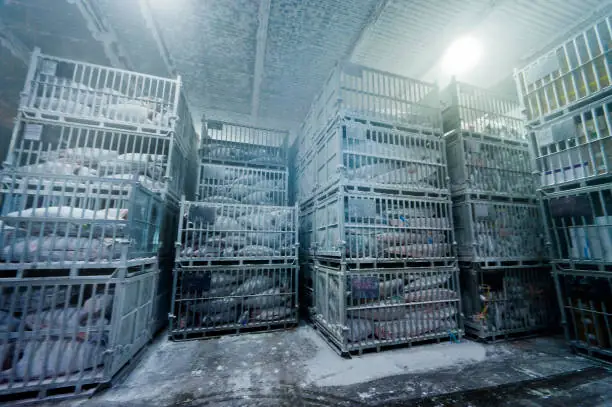
Frozen seafood is normally transported under controlled temperatures below 18°C to maintain product quality throughout the supply chain.

Customs Clearance and Final Delivery

Once frozen seafood arrives at the destination:


  • Submit import documentation
  • Complete customs inspection
  • Arrange cold storage
  • Transport products to warehouse


Working with an experienced customs broker can improve processing efficiency and reduce delays.


Common Mistakes When Importing Frozen Seafood


Avoid these common purchasing mistakes:


  • Choosing suppliers without export experience
  • Ignoring product specifications
  • Ordering without shipping estimates
  • Missing import permits
  • Weak cold-chain planning
  • Incomplete documentation


Planning early reduces operational risk.

Frequently Asked Questions About Importing Frozen Seafood from Norway

  • Is importing frozen seafood from Norway profitable?


    Many wholesale buyers choose Norwegian seafood because of stable supply, premium quality, and strong international demand.


  • What frozen seafood products are most imported?


    Frozen Atlantic salmon, frozen king crab, frozen snow crab clusters, frozen Atlantic mackerel, and frozen seafood assortments remain among the most requested products.


  • How long does frozen seafood shipping take?


    Transit times vary depending on destination, customs procedures, and shipping method.


  • What frozen seafood products are most imported?


Frozen Atlantic salmon, frozen king crab, frozen snow crab clusters, frozen Atlantic mackerel, and frozen seafood assortments remain among the most requested products.


5. What documents are required to import frozen seafood from Norway?


Typical export documents include a commercial invoice, packing list, health certificate, certificate of origin, and shipping documents such as a Bill of Lading or Air Waybill. Additional import permits may apply depending on destination requirements.


6. How should frozen seafood be stored after import?


Frozen seafood should remain under controlled cold storage conditions, typically below 18°C, to maintain product quality and preserve shelf life.


Contact our export team


Fresh Seafood Supply
Sales Team • Online
Hi there 👋

Looking for premium seafood wholesale?
We supply king crab, salmon, lobster & more.

How can we assist you today?
Chat on WhatsApp